Credit Score Explained: How It Affects Loan Approval Worldwide
If you have ever wondered why one person gets a loan approved quickly while another person with the same income struggles, the answer is often not “luck.” In many countries, lenders rely on a credit scoring system that turns your borrowing behaviour into a simple signal: how likely you are to repay on time. That signal is your credit score. It does not replace common sense checks like income and employment, but it shapes how the lender sees you before you even speak to anyone. In today’s lending world, your credit score can decide whether your application moves forward, how much you can borrow, and whether your interest rate will be calm and manageable or painfully expensive.
What makes this topic confusing is that credit scores are not the same everywhere. In Nigeria, many people are only beginning to take credit reports seriously, especially because loan apps and bank products now share information more widely. In the UK, the US, Canada, Australia, and parts of Europe, credit scoring has been part of everyday life for years, and it can affect not only loans but things like mobile phone contracts, car finance, renting, and sometimes even certain background checks. In the UAE, credit scoring is also formalised and can influence approvals and pricing. So when Nigerians relocate or earn internationally, they sometimes discover that their strong financial life in Nigeria does not automatically translate into strong credit abroad.
This article explains credit scores in a way that makes sense regardless of where you live. You will understand what a credit score really means, how lenders use it during loan approval worldwide, why different countries have different scoring ranges, and what practical steps help Nigerians build a stronger credit profile at home or abroad.

Understanding Credit Scores
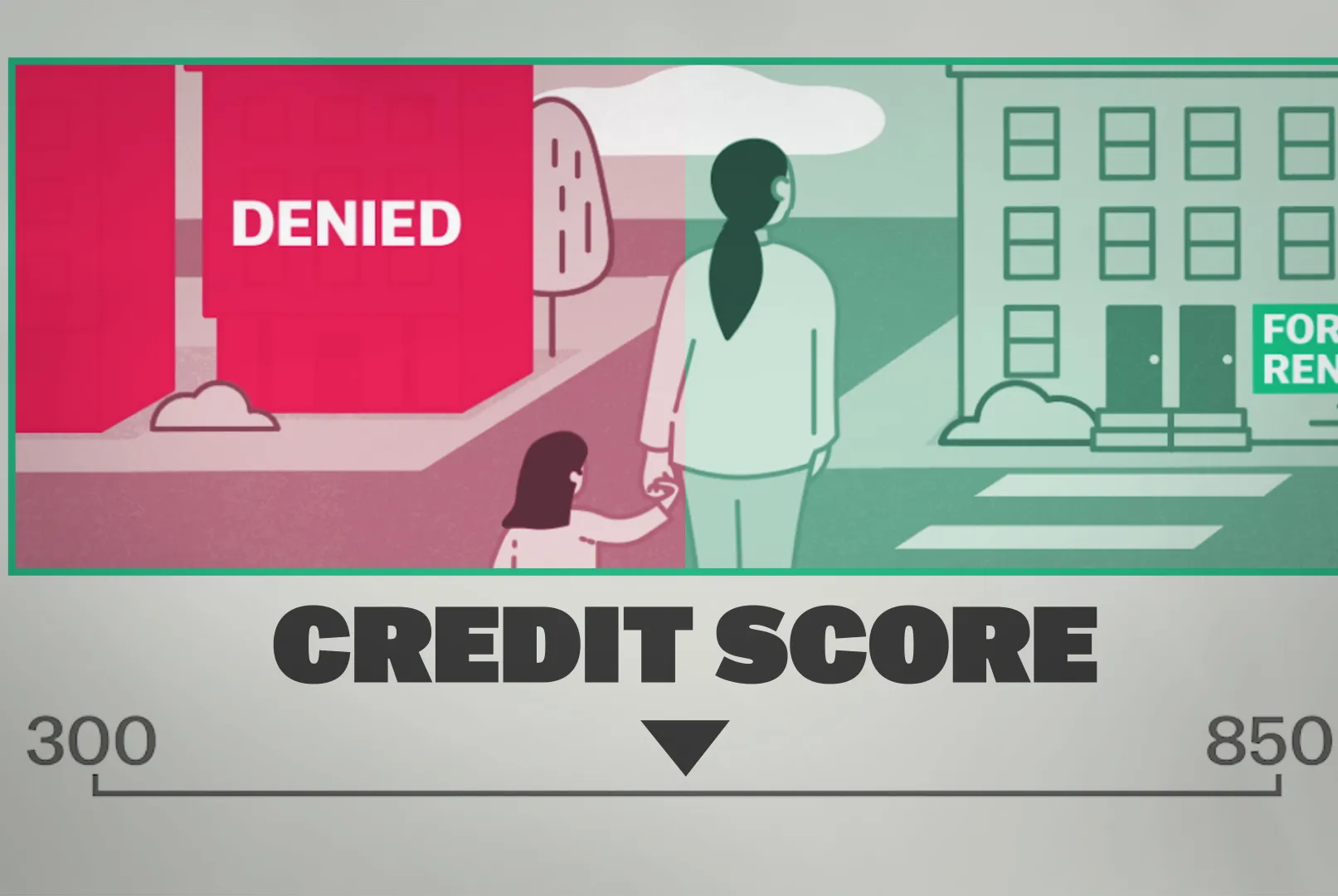
A credit score is a numeric summary of your credit risk. In simple words, it is a score generated from your credit report to estimate how likely you are to repay borrowed money on time. Your credit report is the detailed record: loans you have taken, repayment history, current balances, missed payments, defaults, credit applications, and sometimes additional information depending on the country. The score is the shortcut number lenders use when they need to make a decision quickly.
The most important thing to understand is that the score is not “your character.” It is a pattern score. If your report shows consistent on-time repayment and controlled debt, the score rises. If your report shows missed payments, high debt stress, too many credit applications, or defaults, the score drops. If you are new and your report is thin, your score may be weak or limited because the system cannot confidently predict your behaviour. That last part is why newcomers in countries like the UK, US, or Canada can struggle even with good jobs: the system does not know them yet.
Because different countries and agencies use different scoring systems, the number itself can change, but the logic is similar everywhere: the score helps lenders price risk and reduce uncertainty.
Why credit scores matter for loan approval
Credit scores matter worldwide because lending is built on risk. Lenders do not only want to know whether you can repay; they want to know how likely you are to repay without drama. A credit score helps them do that at scale. When lenders process thousands or millions of applications, they need a quick way to sort borrowers into risk groups. That is what a credit score does.
In practical terms, your credit score affects three things that directly touch your life. First, it affects approval. Many lenders use minimum score thresholds to decide whether to proceed. Second, it affects pricing. Even if you are approved, a lower score can mean higher interest rates, more fees, shorter tenors, or smaller loan limits. Third, it affects conditions. With a weaker score, lenders might request collateral, a larger down payment, a guarantor, or additional documentation.
For Nigerians specifically, this matters because many people move between systems. You might be building credit in Nigeria while also settling in the UK, Canada, the UAE, or the US. The more you understand how credit scoring affects loan approval worldwide, the less likely you are to accept a bad deal simply because it was the first approval you got.

How lenders use credit scores during loan approval
Even though lenders have different names for their internal processes, loan approval worldwide usually follows a familiar pattern. First, the lender does an eligibility and identity check. Then they run a credit check to see your repayment history and your debt burden. After that, they run affordability checks to see whether your income can carry the repayment. Finally, they price the loan and set terms based on the combined risk picture.
A credit score is often used in the earliest stage, sometimes even before a human sees your file. That is why you can be rejected instantly online without a detailed explanation. The system may have decided your score or credit profile does not meet minimum policy. In other cases, your score passes the minimum, but it influences your offer. That is why you might see “pre-approved” offers that change once underwriting reviews your details.
It also helps to know that lenders do not use the credit score alone. They usually combine it with your debt-to-income ratio, employment stability, bank account behaviour, down payment strength (for mortgages), the value of collateral (for secured loans), and any red flags such as recent missed payments or many recent credit enquiries. So improving your score helps, but a good score with unstable income can still fail, and a moderate score with strong affordability can sometimes succeed.
How credit score systems differ by country
The idea of a credit score is global, but the scoring range, the data used, and how lenders interpret the score can differ widely. The smartest way to think about this is not to memorise every country’s scoring band, but to understand the local system where you are applying, then adapt your behaviour to what that system rewards.
Credit score in Nigeria: what the score range means and what lenders focus on
In Nigeria, credit scores are provided by licensed credit bureaus, and a common consumer score range used by major bureaus is 300 to 850, similar to the well-known US-style scale. CRC Credit Bureau, for example, describes its individual score as a three-digit number from 300 to 850 that summarizes risk to lenders. If your Nigerian credit score is low, it usually points to missed payments, defaults, heavy loan stacking, or unresolved obligations, especially from digital lenders. If your Nigerian credit score is thin, it often means you have limited formal credit history and the system has less evidence to trust.
In practical lending, Nigerian banks still pay strong attention to income proof and bank statement patterns, but your credit report can influence whether you are approved and how your interest rate is priced, particularly for unsecured personal loans and salary-based products. Digital lenders often rely even more heavily on credit behaviour because their systems are automated.
Credit score in the UK: different agencies, different score ranges
The UK is one of the places that surprises Nigerians because people talk about “a credit score,” but there are multiple credit reference agencies, each with its own scoring range. TransUnion’s consumer score is commonly described as being out of 710, Equifax is commonly described as being out of 1000, and Experian historically used a 0–999 range and has also introduced a newer expanded score range. The important reality is that lenders can use the underlying credit report, not only the score number, and many lenders also create their own internal score based on the report.
What this means for you is simple: you do not panic because one platform shows a different number. You focus on the behaviours that consistently improve creditworthiness: paying on time, keeping debt controlled, limiting new applications, and maintaining stable address history. In the UK, address history matters because your credit file is strongly tied to your addresses.
Credit scores in the US: FICO and VantageScore, often on a 300–850 range
In the US, two widely discussed credit scoring models are FICO and VantageScore, and both commonly use a 300 to 850 range. Many lenders, especially in major lending areas, rely on these scores as a major decision tool. The US system heavily rewards on-time payments and controlled credit utilization. It also tracks how long you have held credit accounts and how often you apply for new credit.
For Nigerians moving to the US, a common shock is that your Nigerian history does not automatically count. You often need to build US credit from scratch using local tools such as secured credit cards, starter credit cards, and consistent on-time payments.
Credit scores in Canada: commonly 300–900, with strong reliance on local history
Canada commonly uses credit score ranges that run from 300 to 900. Lenders often rely on credit history to decide approvals for personal loans, car finance, and mortgages. As a newcomer, you may still be able to access certain products through newcomer programmes, but your credit file needs to be built, and your stability of income and down payment documentation matters a lot for mortgages.
For Nigerians in Canada, the practical lesson is that credit building is part of settlement. A stable address, bills in your name, a credit card used responsibly, and consistent on-time payment over time can transform your access.
Credit score in the UAE: AECB-based scoring and strong emphasis on local data
In the UAE, credit scores are commonly discussed in relation to the Al Etihad Credit Bureau (AECB), and the score is often described as ranging from 300 to 900. UAE banks also strongly consider salary transfer relationships, employer category, and local banking behaviour. For Nigerians in the UAE, your salary certificate, Emirates ID, residency status, and stable repayment behaviour can significantly influence approvals and pricing.
Australia and parts of Europe: different scales, same idea
In Australia, credit score ranges can vary by credit reporting agency, and some systems use ranges up to 1200. In parts of Europe, the approach can differ again. For example, Germany’s SCHUFA discusses scores in a way that may be expressed as a percentage and also uses different score formats, with lenders making the final decision based on their own risk rules. The lesson is that you cannot copy and paste one country’s credit score meaning into another. You must understand the local scale, but you can rely on the same core behaviours that make borrowers look safe everywhere.
What affects your credit score worldwide: the factors that repeat across countries
Even though scoring formulas differ, the same core factors appear again and again. If you focus on these, you improve your credit profile in almost any system.
The first big factor is payment history. Paying late consistently is one of the strongest negative signals worldwide because it suggests poor discipline. Even one missed payment can hurt, but repeated late payments or defaults can damage your profile heavily. The second factor is debt burden. If you have too many loans at once, or your credit limits are heavily used, your profile looks stressed. The third factor is credit age. Older, well-managed credit relationships signal stability. The fourth factor is new credit activity. Applying for many loans or cards in a short period can signal desperation, and it often reduces your score.
Once you understand these factors, you can put them into practical habits. The habits are not complicated, but they require consistency.
Here are the core factors you should watch everywhere:
- On-time payments: the fastest and most reliable builder of trust.
- Credit utilization or debt level: how much of your available credit you are using, or how heavy your debt is compared to income.
- Length of credit history: older accounts, managed well, often help.
- Recent credit applications: too many in a short time can hurt.
- Credit mix: in some systems, having a balanced mix of credit products can help, but it is never worth borrowing “just to mix.”
- Public records or negative events: defaults, bankruptcies, judgments (where applicable) are heavily negative.
Eligibility and requirements to build a credit score in a new country
For Nigerians relocating or living abroad, one of the most practical questions is: “How do I build credit when I’m new?” The answer is that credit is built from local participation. You need identity verification in that country, you need stable contact details, and you need at least one credit relationship that reports to credit bureaus.
In many countries, the first building blocks are a local bank account, a stable address, and bills in your name. A phone contract, utility bills, and consistent rent payments can help build a traceable financial life, especially in countries where such payments can influence credit files directly or indirectly through verification. Then you add a small credit product, often a secured card or a starter credit card, and you use it lightly and repay on time. The goal is not to borrow big. The goal is to build a calm repayment pattern.
A simple way to think about it is this: lenders trust what they can verify. When your financial life is verifiable and stable, your score and approval odds improve.
Common mistakes that damage credit scores and reduce loan approval chances
Many people damage their credit score without realizing it. The biggest mistake is loan stacking. In Nigeria, this often happens through multiple loan apps. Abroad, it can happen through multiple cards, overdrafts, and finance plans. Loan stacking creates a pattern of debt stress, and debt stress increases default risk.
Another common mistake is making too many applications at once. People think applying to five lenders increases chances, but in many systems, it can reduce your score and make you look desperate. A third mistake is missing payments because you “forgot.” Credit systems do not care whether you forgot; they only record the late payment. A fourth mistake is ignoring errors on your credit report. If a settled loan still shows as unpaid, or if your identity details are mismatched, your score can suffer until you dispute and correct it.
Finally, many Nigerians underestimate how much stability matters. Frequent address changes abroad can make credit checks harder. Unexplained large deposits can delay approvals, especially for mortgages. Using credit cards like free money can push your utilization high and reduce your score.
After understanding these mistakes, it helps to see how this plays out in real life.
What credit scores can cost you (and save you)
A credit score can cost you money in two ways. The first is through pricing. A weak score can mean higher interest rates, higher deposits, more fees, or rejected applications that force you into expensive alternatives. The second is through missed opportunities. If your score is weak, you may not qualify for longer tenors or cheaper secured products, and that can keep you trapped in short, expensive borrowing.
A strong credit score can also save you money. It can lower your APR, reduce insurance-related costs in some environments, improve your chances of getting approved without a guarantor, and allow you to negotiate better terms. Over years, these savings can be significant.
Improving your score may have small direct costs. You may pay a small fee to access detailed credit reports in some systems. You may pay interest on a small credit-building product if you choose to build history that way. But the bigger cost is usually discipline: avoiding unnecessary borrowing, repaying on time, and staying consistent long enough for the system to notice.
How long it takes to improve a credit score
Credit score improvement is not instant because credit systems are designed to observe patterns. If your score is low because of an error, you may see improvement once the dispute is resolved and the file updates. If your score is low because of missed payments and defaults, improvement usually begins after you settle or restructure and then maintain consistent on-time payments.
In many cases, you can start seeing positive movement within 30 to 90 days after you correct major issues and stop new negative events. But stronger improvement often takes several months. If you are rebuilding after defaults, a realistic expectation is six to twelve months of disciplined behaviour to create a new story. The more severe the past damage, the longer it may take for your profile to fully recover.
The best mindset is to stop looking for “a quick fix” and start building steady habits that lenders trust.
Advantages and disadvantages of credit-score-based lending worldwide
The advantage of credit scoring is that it can make lending faster and more consistent. When your profile is strong, you can access loans quickly, compare offers, and qualify for better pricing. Credit scoring also rewards disciplined borrowers, which encourages responsible borrowing.
The disadvantages are also important. Credit systems can disadvantage newcomers who have not had time to build local history, even if they are financially stable. Scores can also be affected by errors, and not everyone knows how to dispute them. Another disadvantage is that credit scoring can make loan decisions feel impersonal, especially when you are rejected instantly. But once you understand the rules, you can work with the system rather than feeling blocked by it.
Better or alternative options if your credit score is low or new
If your credit score is low or your credit file is thin, you still have options. The key is to choose options that solve your need without creating new damage.
In Nigeria, a safer alternative to repeated app borrowing is often a structured salary-based facility from a reputable institution if you qualify, or a cooperative loan with a realistic repayment plan. For businesses, supplier credit and contract-backed financing can sometimes reduce the need for personal borrowing. Abroad, newcomers often use secured credit cards, credit-builder loans, or newcomer programmes designed to help you establish history.
If you need a loan urgently, borrowing less can protect you. A smaller loan repaid on time can improve your profile, while a larger loan you struggle to repay can destroy it. In some cases, manual underwriting or secured lending (where you provide collateral or a deposit) can be an alternative pathway when your score is not yet strong.
Know this before applying for loans
Before you apply for a loan anywhere in the world, use this checklist. It keeps you focused on what lenders actually see.
First, remember that your goal is not only approval. Your goal is approval with terms you can live with.
- Know your local credit system: understand which bureau or scoring model is used where you live.
- Check your credit report: confirm what lenders will see and dispute errors early.
- Pay on time consistently: avoid late payments and defaults.
- Reduce debt stress: avoid loan stacking and keep obligations manageable.
- Limit new applications: apply strategically, not everywhere at once.
- Keep your identity and address stable: consistency helps verification and credit building.
- Plan repayment before borrowing: if repayment depends on hope, the loan is risky.
- Build credit gently if new: use small products responsibly to create a track record.
Conclusion
A credit score is a global language lenders use to assess risk, but the number and scoring range differ by country. Whether you are in Nigeria, the UK, the US, Canada, the UAE, Australia, or parts of Europe, the same core truth remains: lenders want predictable repayment behaviour backed by verifiable records. A strong credit profile improves your approval chances, lowers your borrowing cost, and gives you options. A weak or thin profile can lead to rejection, higher pricing, or stressful conditions.
For Nigerians, the smartest approach is to treat credit as a long-term asset. Build it calmly, protect it by avoiding late payments and loan stacking, keep your documents and identity consistent, and understand the system in the country where you are applying. When you do that, loan approval becomes less mysterious and more manageable.
FAQs (15)
1) What is a credit score in simple terms?
A credit score is a number based on your credit report that estimates how likely you are to repay loans on time. Higher scores usually mean lower risk to lenders.
2) Does a good credit score guarantee loan approval?
No. Lenders also check income, affordability, employment stability, and existing debt. A good score helps, but it is not the only requirement.
3) Why do credit scores differ between countries?
Countries use different credit bureaus, scoring models, and data sources. The logic is similar, but the score ranges and calculation methods can differ.
4) Why can I have a low score even if I have never borrowed?
If you have a thin credit file, the system has little evidence of repayment behaviour, so lenders may treat you as unknown risk. Building small, responsible credit history can help.
5) How does a credit score affect interest rates?
Lenders often price loans based on risk. A lower score can lead to higher interest rates, more fees, shorter tenors, or smaller limits.
6) What hurts a credit score the most worldwide?
Late payments, defaults, heavy debt stress, and many credit applications in a short period are among the biggest negative factors.
7) Do loan apps affect credit scores in Nigeria?
Many lenders report repayment behaviour to credit bureaus. Missed repayments and defaults can negatively affect your profile.
8) How can Nigerians build credit abroad as newcomers?
Open a local bank account, keep a stable address, put bills in your name where possible, and use a secured or starter credit product responsibly with on-time payments.
9) How long does it take to improve a credit score?
It depends on the problem. Errors can improve after correction. Behaviour-based improvement often takes months of consistent on-time payments and reduced debt stress.
10) Is it bad to apply to multiple lenders at the same time?
It can be. Many systems record credit enquiries, and too many enquiries can reduce your score and signal financial stress.
11) Can credit report errors affect loan approval?
Yes. An incorrect overdue loan or wrong identity match can reduce your score and trigger rejection. Always check and dispute errors early.
12) What is the safest way to rebuild credit after default?
Settle or restructure overdue obligations, stop new negative events, and build a fresh pattern of on-time payments while keeping debt manageable.
13) Does paying early help my credit score?
Paying on time is most important. Paying early can help you avoid late payments and penalties, and it supports consistent repayment behaviour.
14) Can a lender approve me even with a low credit score?
Sometimes yes, especially with collateral, strong income, a guarantor, or manual underwriting. But terms may be stricter or more expensive.
15) What should I check before accepting any loan offer?
Check total repayment, interest rate style, fees, penalties, repayment schedule, and whether the payment fits your budget comfortably.
About the Author